A first approach to hiking and mountaineering
- Location: Sangay National Park, Chimborazo Province, Ecuador
- Elevation: 4150 m.
- Number of days: 3 D / 2 N or 2 D / 1 N
- Technical level: low
- Physical level: Medium- high
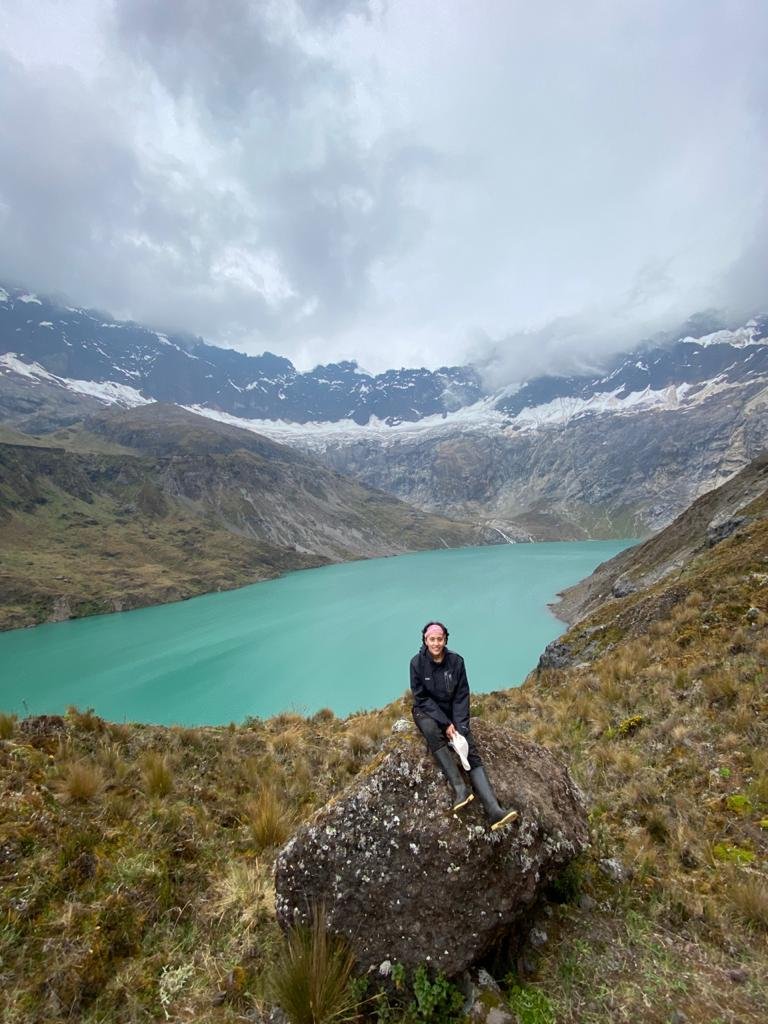
The “Laguna Amarilla” (4150 m.) or Yellow Lagoon is located in the crater of El Altar peak, in the Sangay National Park, within the Chimborazo Province. In the last years, trekking to this lagoon has become increasingly popular.
Despite all the hours required to reach the lake, the breathtaking landscapes you will visualize during the trek are definitely worth them. The Laguna Amarilla owes its name to the yellow color of its water, due to the minerals present there. As other Ecuadorian lagoons or lakes, Laguna Amarilla is a crater, formed by the melting of the snow of El Altar peak.
This trekking was my first approach to mountaineering. The hike is known for its highly physical demanding characteristics, just as the conditions of the route, which is usually covered in mud because of the persistent rains in the area. Depending on many factors, this trek could take a whole day. That is why it is recommended to attempt it in 2 or 3 days to have a more pleasant experience.
There are mules that the village people rent in order to help you take your loads up to the camping or hut area, from where after a 1-2 hour hike you will finally reach the lagoon. Renting the mules could help you endure more easily the trek, though you can also take all the stuff you need up there by your own; this will definitely add another level to your mountaineering training program. Your backpack should include at least a sleeping bag, a toiletry kit, and food for all the days your trip will last.
I went to the Laguna Amarilla for the first time on a holiday. I opted for a mountain-agency package that lasted 3 days and 2 nights. Since the logistics for going to this lagoon is a little complicated, and requires specific arrangements, I suggest you hire the services of an agency if it is the first time you go.
We left Quito the day 1, around noon. At 5 p.m., approximately, we were already in the “Releche farm”, a private property where we had dinner and spent the night. We had a nice time here; the staff were kind, and both the food and shared bedrooms were adequate. The day 2, we woke up early, enjoyed an abundant breakfast, and around 8 a.m., were ready to start the hike to the Releche farm’s hut. This hut is located in the Collanes Valley, from where we would begin the last part of the trek.
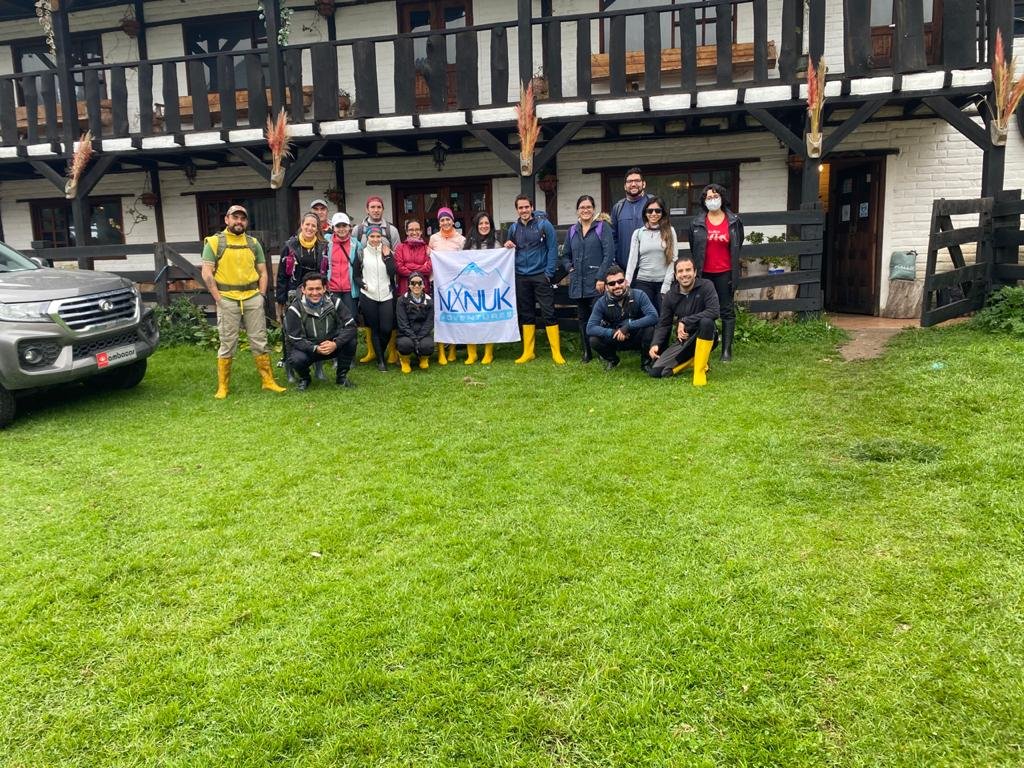
Fortunately, the weather was on our side during the journey. This hike is well-known for its muddy terrain which really complicates the walk. But this day, we were privileged enough to have relatively dry conditions that allowed us to avoid many of the difficulties which in all probability you might encounter in other days. We had 2 guides for a 10-person group; one in the front and the other in the back.
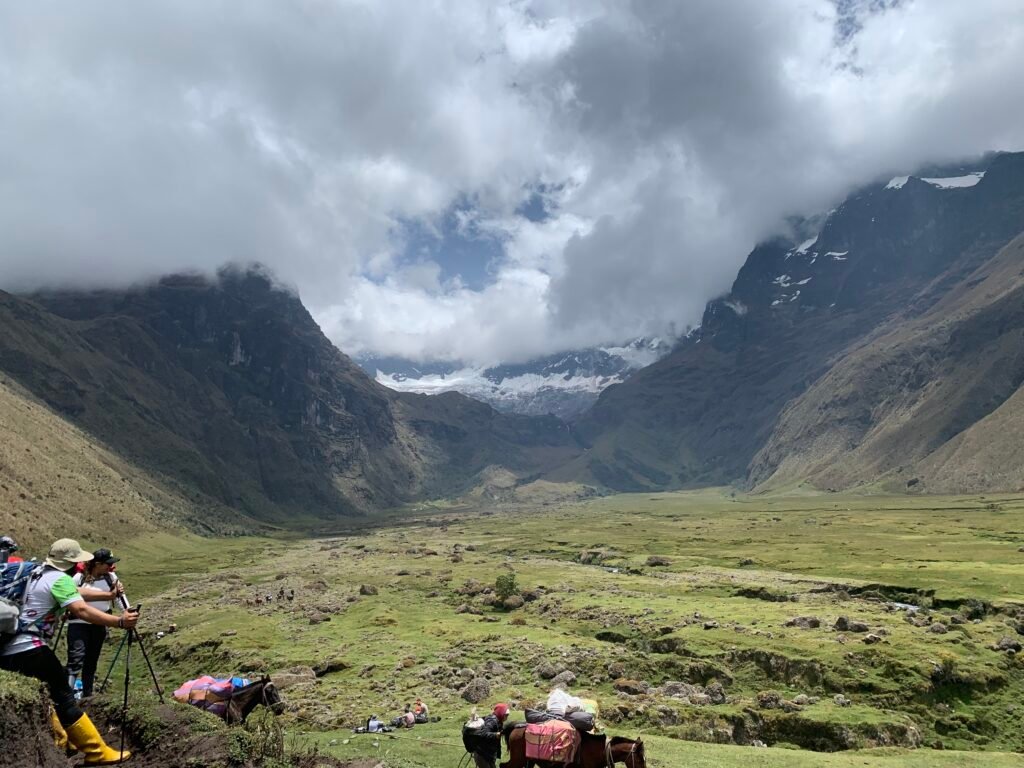
It is hard to get lost, since the path is well-marked and there are many people you will find in the way that are going to the same destination. The first part consisted of a slope that we walked in 1 hour, followed by a path that alternated ascents with flat terrain and descents. After a total of 5 hours, most of us were already in the hut, resting, and having a snack before the last part of the trek.
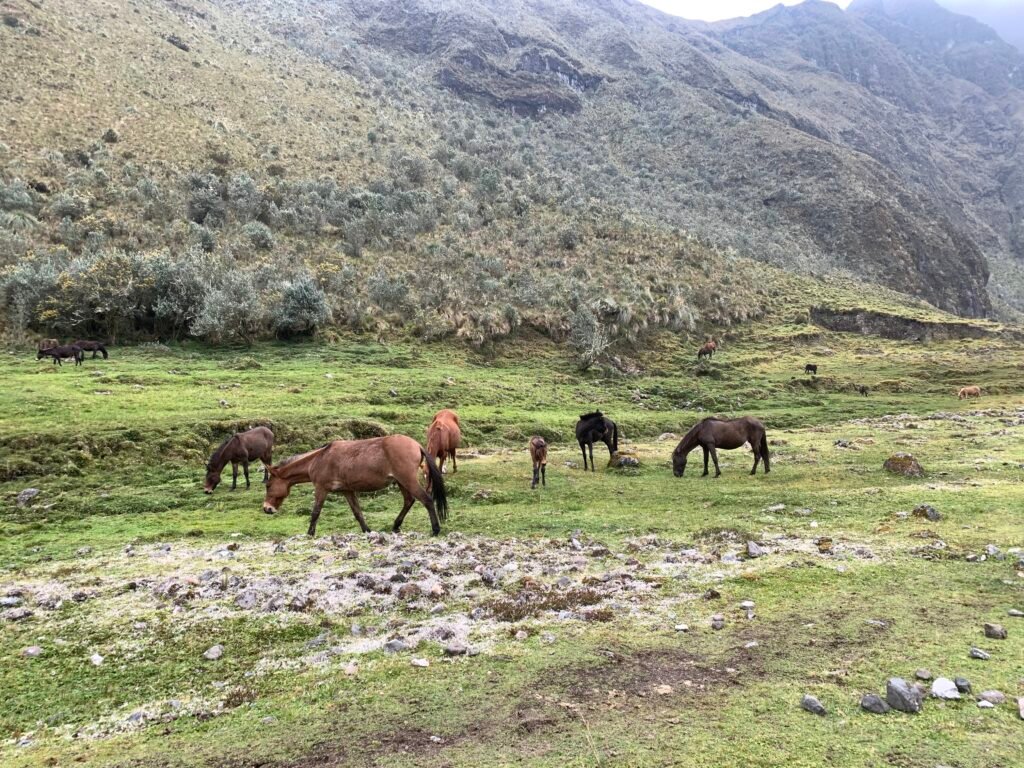
Around 2:30 p.m., once everybody was in the hut, and all the baggage had been taken to the rooms, we started the last stretch through the Collanes Valley towards the Laguna Amarilla. The landscape was charming. Along the route, we would find some loose horses grazing and big rocks randomly covering the terrain, product of past eruptions of El Altar Volcano. The terrain was now kind of of puddly, and some of the fun and laughs began when we started sinking while walking.
Once we crossed the Valley and a non-wide river, there was an ascent up a little Andean grasslands hill. By this time of the day, the fatigue was already present; I was pausing with more frequency and signs of vertigo appeared. After a 2-hour walk from to the hut, we could finally see the first live images of this beautiful lagoon.
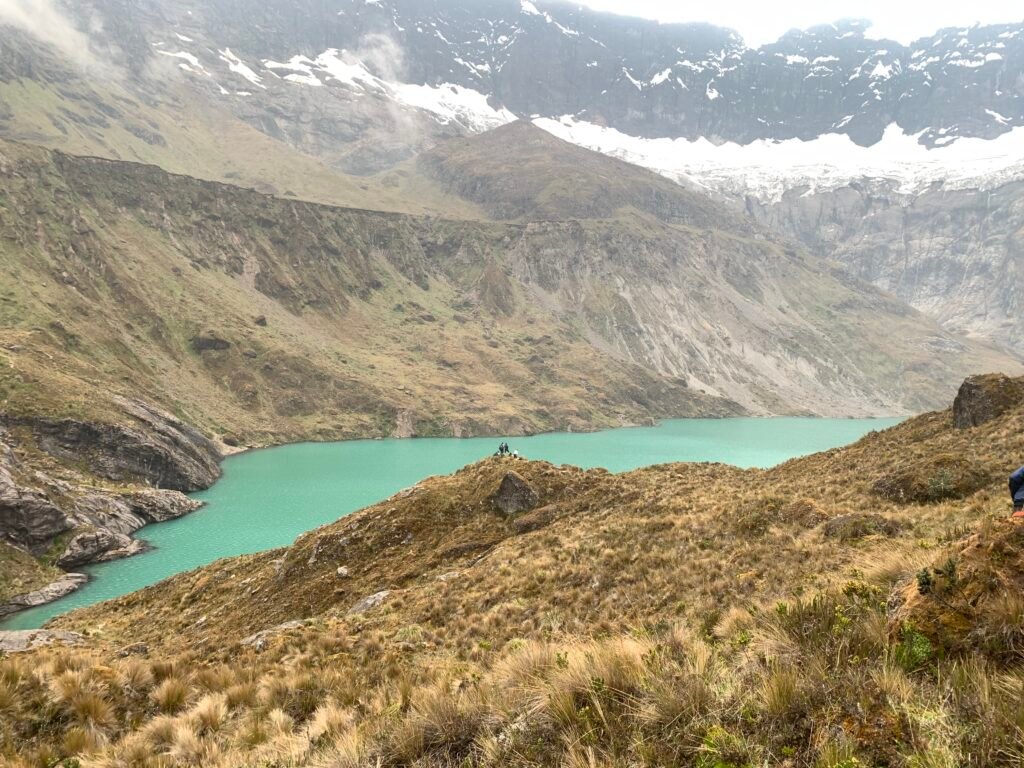
One thing I have always loved about trekking and mountaineering is the friendly and supportive spirit within the team. We all shared hugs and congrats once in the lagoon. After resting and taking photos, some of the people went down to the very shore to have a different view of the lake. Even though it was only a 20-minute round walk, I decided not to go, since I was really tired and preferred to save my energy for the return. Moreover, I was feeling a little pain in the right leg.
We got to the hut just before it went totally dark. We changed our wet clothing and went downstairs to the kitchen to prepare our dinner, and have a little chat before going to sleep. The next day, we had to option to get up early in order to go up to the lagoon again, and watch the sunrise from there. Initially, I was up to this plan, but preferred not to at the end, given that the pain I started feeling the night before had not ceased yet. In addition, I confess a sudden fear of walking in the darkness arose. The ones that decided not to go back to the lagoon slept a couple of hours more before returning to the farm and then to Quito.
If you prefer camping instead of staying at the hut, you might also do it. It is actually pretty common to do it. Throughout the Collanes Valley, some meters after the hut, you will find camping space were many trekkers spend the night. Additionally, you can also do this trekking in just 2 days and 1 night, keeping in mind that it might be a little more physically challenging.
Leave a Reply