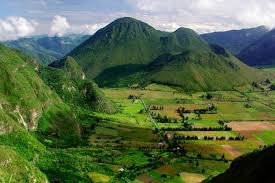
A breathtaking cloud‑covered caldera, scenic viewpoints, and authentic highland culture in one unforgettable day trip
Pululahua is a a Geobotanical Reserve centered on an inhabited volcanic caldera just north of Quito; it means “cloud of water” in Kichwa- one of Ecuadorian official languages-. Pululahua is a popular and accessible visit from Quito, doable in a half‑day trip, and is well-known for its panoramic viewpoint, and hiking and cultural activities.
The crater’s slopes and interior are fertile because of volcanic soils, and families live, cultivate crops and raise livestock inside the caldera, being one of the few places in the world where people do these activities within a volcanic crater. The caldera is around 4 kilometers wide and contains a patchwork of fields, ravines, and three volcanic domes.
Before you plan your visit
- When to go. Mornings are better for a clearer sky.
- How long to stay. Usually, half a day will be enough for the viewpoint and short walks. If you aim at deeply exploring the caldera and its trails, reserve a full day for your visit.
- How to get there. Pululahua is about 30 minutes by car from Quito via the Calacali–Los Bancos road. There are public buses that connect from the Mitad del Mundo area.
What to do there
- Viewpoint. Panoramic views into the crater and the valley.
- Hikes and short walks. Trails along the boarder and down into the caldera, where you will have a close views of farms, fumaroles, and plants.
- Cultural encounters. Small guesthouses and local vendors offer food and the chance to learn about highland agriculture practiced inside the crater.
Practical tips and cautions
- Altitude and weather. Pululahua sits at high elevation (3356 m.) near Quito. So dress in layers (waterproof and thermal) and be prepared with a jacket for sudden fog, drizzle, and wind.
- Road conditions. The access road is short but a little narrow and is in good conditions, so any type of car could access the parking area.
- Respect private land. Much of the crater floor is working farmland. Respect trails, and support local businesses when possible.
If you are in Quito and want a nearby destination that combines nature, views, hikes, and culture, Pululahua is an accessible choice that can easily be included in your itinerary.
Leave a Reply