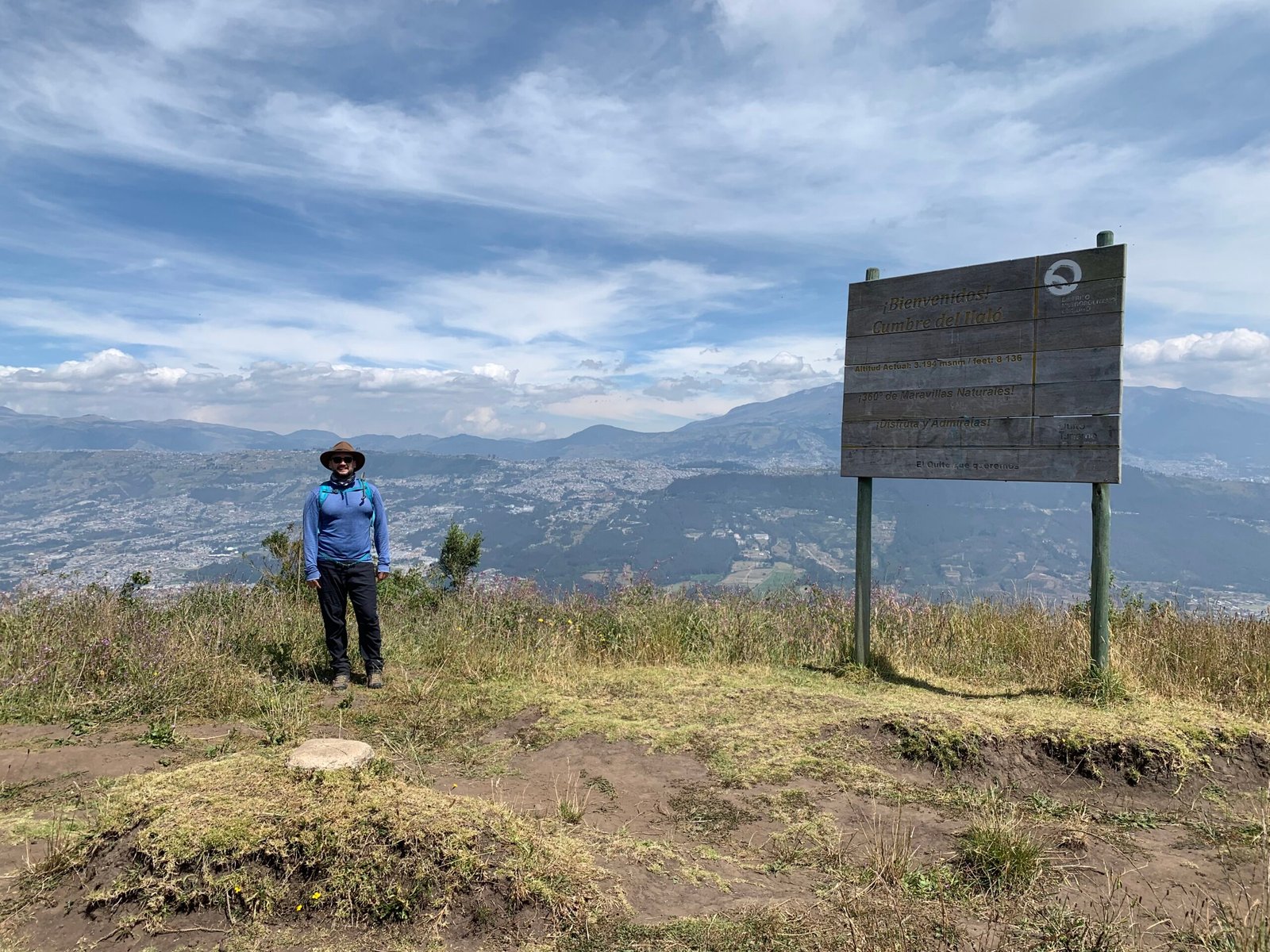
Panoramic views and quiet trails on one of Ecuador’s most accessible volcano hikes
Ilalo Volcano (3194 m.) is one of those places that surprises its visitors with how close, accessible, peaceful, and rewarding it is. Rising between the Tumbaco and Los Chillos valleys- southeast of Quito- this inactive volcano is ideal for half‑day activities and hikes.
Whether you be a mountaineer that is looking for acclimatization before higher peaks, an outdoors workout, or just a picknick enjoying the views of other surrounding Andean mountains, Ilalo volcano might be right option.
Some of Ilalo’s history
Ilalo volcano reaches 3194 m (10479 ft) and is believed to have last erupted around 1.6 million years ago, leaving behind the rounded, eroded silhouette. Its slopes are covered in cangahua, a compacted volcanic ash layer that gives the terrain its unique texture and earthy colors.
Why visiting Ilalo
Ilalo is like one of those hidden gems that you were not aware of, and that is accessible and close to you. For hikers, Ilalo is an ideal training location, regardless of your current physical and technical level. Via the Tingo route, achieving Ilalo’s summit takes around two to three hours, summing up the ascent and the descent, with a prominence of around 769 m. (2522.97).
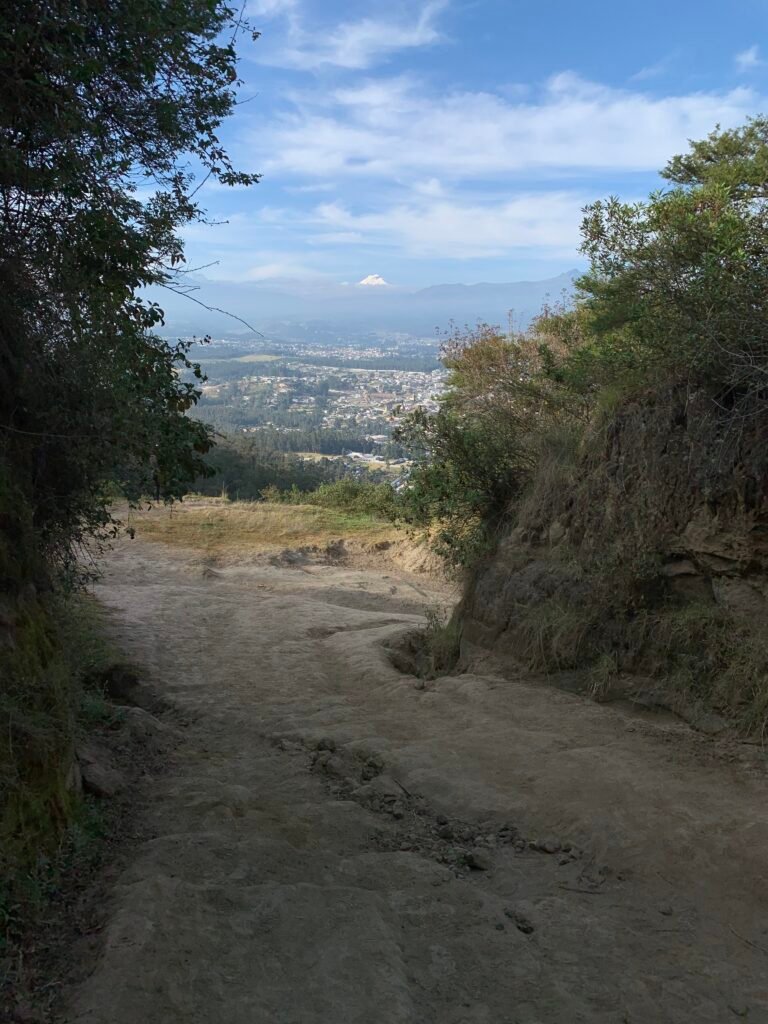
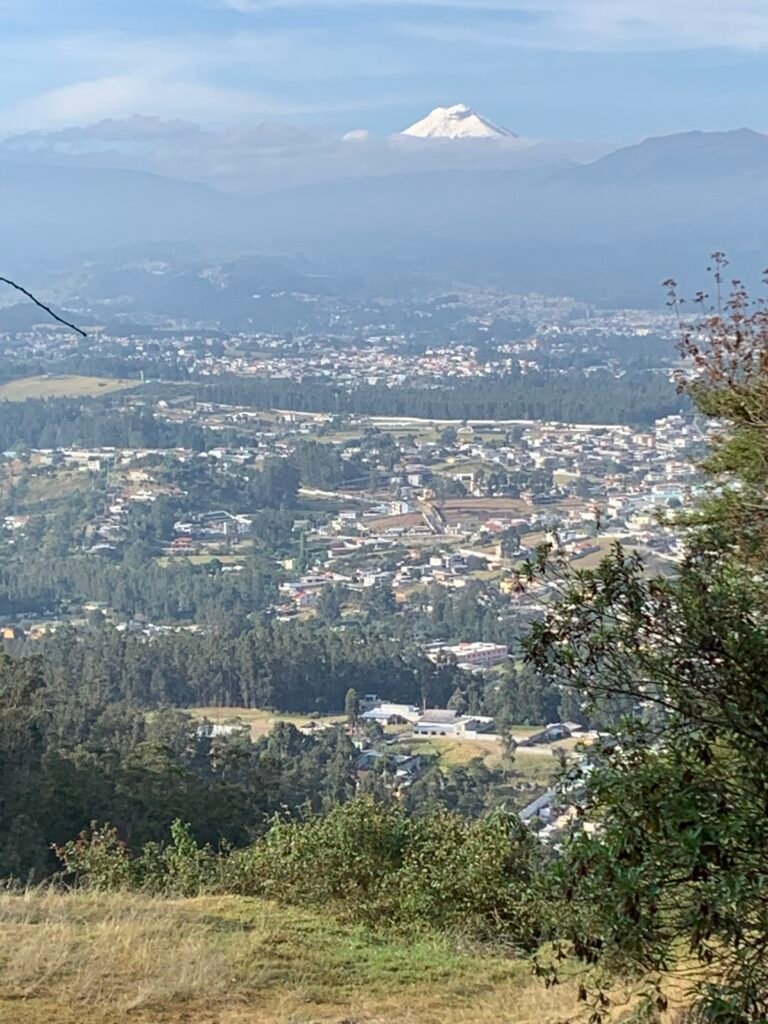
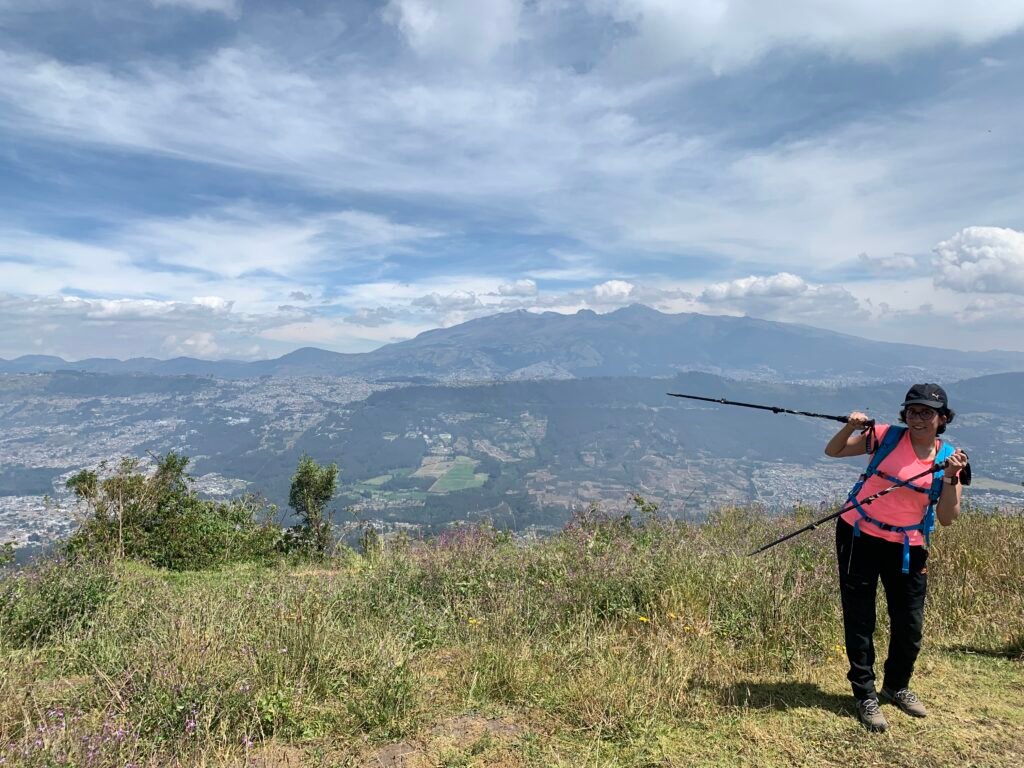
On clear days, you will have panoramic views of Cotopaxi, Pasochoa, and the nearby valleys. Throughout the trail, you will pass small farms, grazing animals, and local vendors selling fruit, drinks, and snacks.
Choosing a route
There are two popular routes to reach Ilalo’ summit:
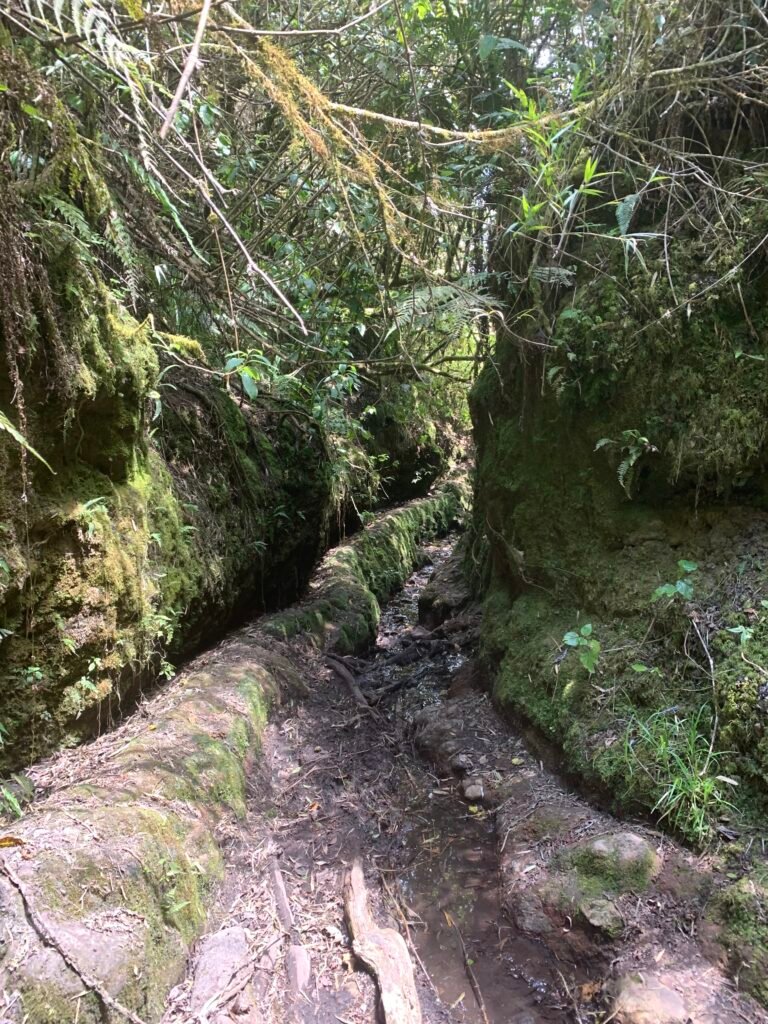
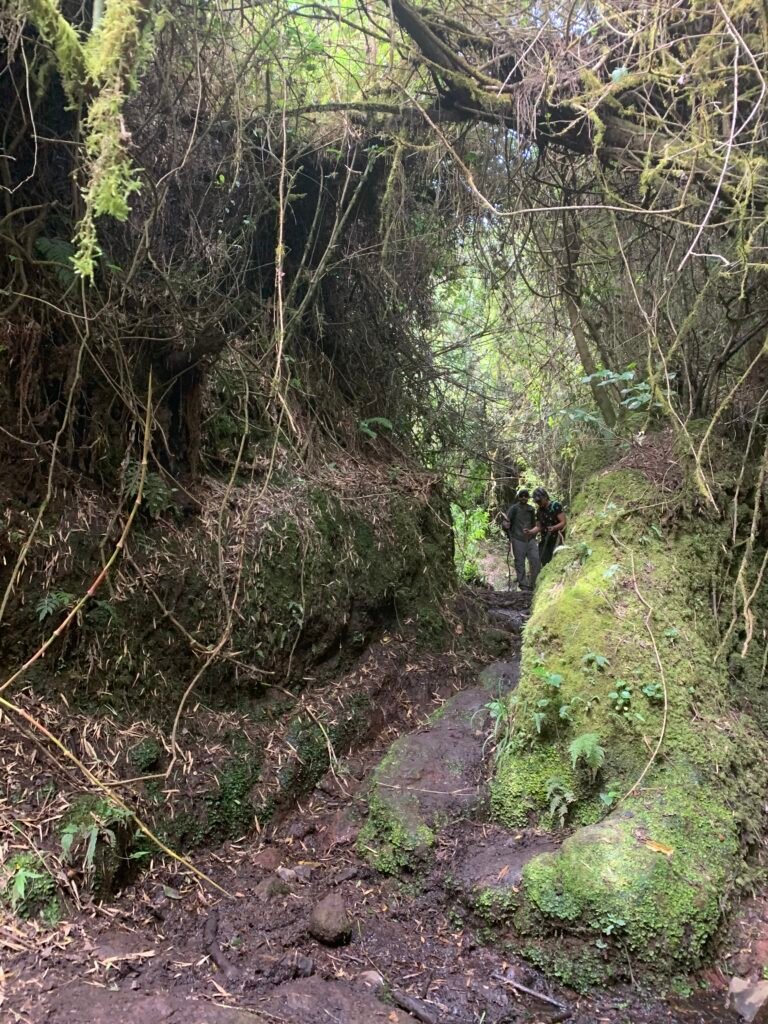
- El Tingo (South Route). It is the shorter, more direct, but steeper trail to take. At the beginning of the route, you can expect a dusty terrain (if it has not rained the day before, otherwise, it will probable be muddy). Along the route’s boarder, you will see 14 crosses as you go up to summit; there are different versions of what those crosses represent, one of them saying that they are a tribute to a priest who attempted the Ilalo’s summit. After the 14 crosses, you will reach a final big cross in a flat section, from where the last section of the trail begins, crossing a small Andean humid forest, a steep clear terrain, just before reaching the summit. A wooden sign with Ilalo’s altitude will let you know you have arrived.
- Tumbaco (North Route). It is a longer route, but less steep and better for a less-demanding ascent. This route is popular among mountain bikers and trail runners.
How to get to Ilalo area
- By car. The fastest option, which takes around 30 to 45 minutes from Quito. Any type of car can reach the parking area, since the roads are paved and in good conditions.
- By taxi. Try to book it in advance with a recommended taxi driver (you can ask for one in the place you are staying at). The price range could vary from USD 14 to USD 21, per route.
- By bus + taxi. The cheapest, though longer option. The bus to take will vary depending on which Quito’s area you are taking it from. The transportation will drop you off at a Tingo or Tumbaco area (depending on the route you choose), from where you will have to take a taxi to the hike starting point.
Tips for a better experience
- Start early in the morning. It will mean clearer skies, cooler temperatures, and avoiding the midday sun, which hits hard in Ecuador.
- Be prepared with layers. Even though you will probably be able to climb Ilalo with just a first quick-dry layer, you could face windy and rainy situations due to the volatile weather in the zone, so bring with you a warm layer and a waterproof jacket.
- Choose an adequate pair of shoes. Wear shoes with good grip, hiking shoes if possible. As mentioned, there could be muddy sections and the right pair of shoes will make sure your ascent and descent feel safer and more comfortable.
- Trekking poles are allowed. If you want to, take your trekking poles for a smoother hike.
- Pack hydration and some snacks. Even if there are usually snack vendors up in the summit, it is better to be prepared with your own.
- Do not rush up to the summit if you are just acclimatizing to altitude. Remember any physical activity demands more effort when done at altitude, so take it slow to prevent sickness altitude.
Leave a Reply