Top viewpoints, wildlife, history, and landscapes from Floreana’s highlands
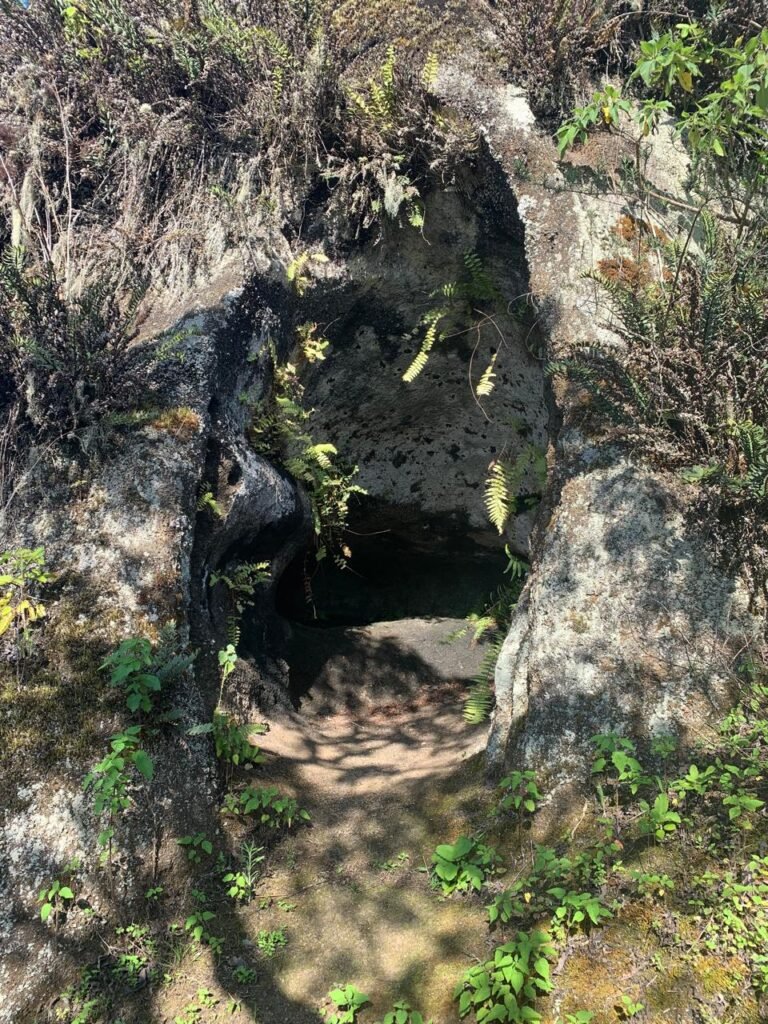
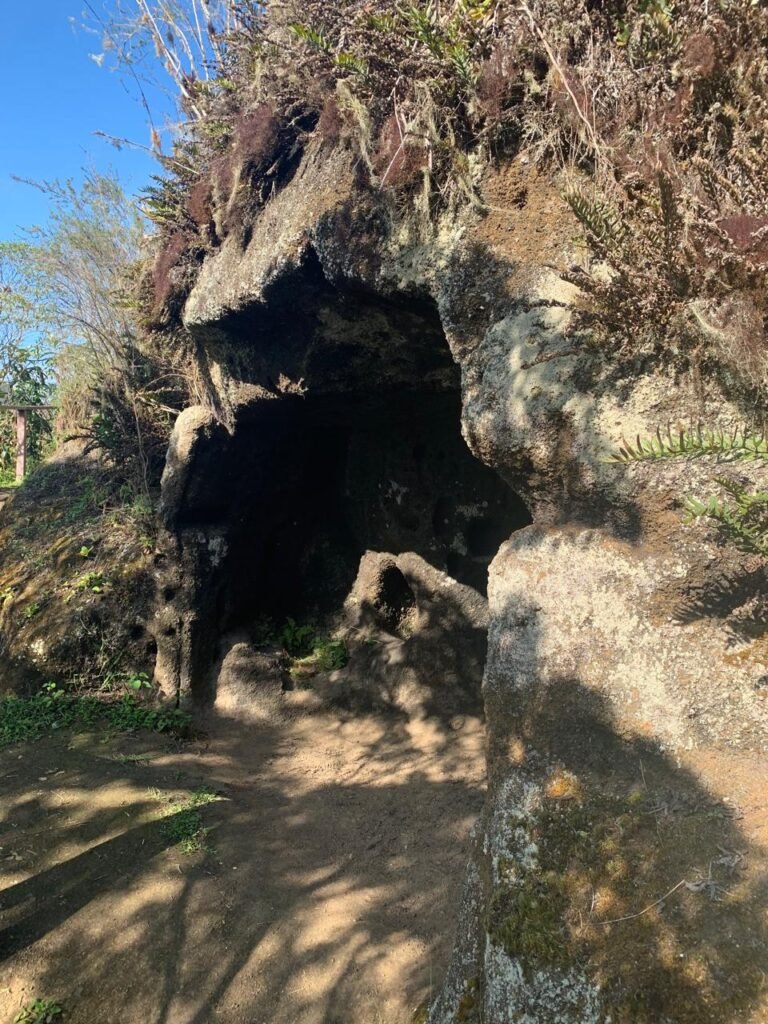
Asilo de la Paz is Floreana’s historic highland site where the archipelago’s first settlers lived, centered on a freshwater spring and a network of caves. It is an inland natural attraction, consisting of a short trail, surrounded by a Scalesia forest, through which you will encounter giant tortoises and stunning landscapes.
Historic Background
Asilo de la Paz (Haven of Peace in Spanish) marks the location of Floreana’s earliest permanent human settlement. In the 1930s the Wittmer family lived here, and Rolf Wittmer, born at the beginning of 1933, is recorded as the first person born in the Galapagos. The family first settled in this highlands’ area, thanks to its caves, springs, and fertile lands which made habitation feasible. Years later, they moved to Floreana’s coastal area, known as Playa Negra (Black Beach).
Getting There
- If you want to visit it on your own. Take a chiva from Puerto Velasco Ibarra’s main street. A chiva is a public transportation vehicle that serves as the town’s public bus. The chiva will take you from the town’s center up to the Asilo de la Paz as the last destination of the route, going through all the properties and farms of the highlands. Each way takes around 45 minutes (the chiva has stops in various points along the way, picking up and dropping off passengers). Take into consideration that the public chiva works on specific schedules (around 6 a.m. in the morning and 3 p.m. in the afternoon); ask beforehand about the current schedules so you do not miss the chiva.
- If you have Asilo de la Paz included in your booked tour. You do not have to worry much about logistics. Your operator will take care of every detail, including the transportation. You will probably also go in a chiva (it could be other type of vehicle), with the difference that the chiva will be reserved only for your tour group and it can operate on different schedules to the public chiva’s ones.
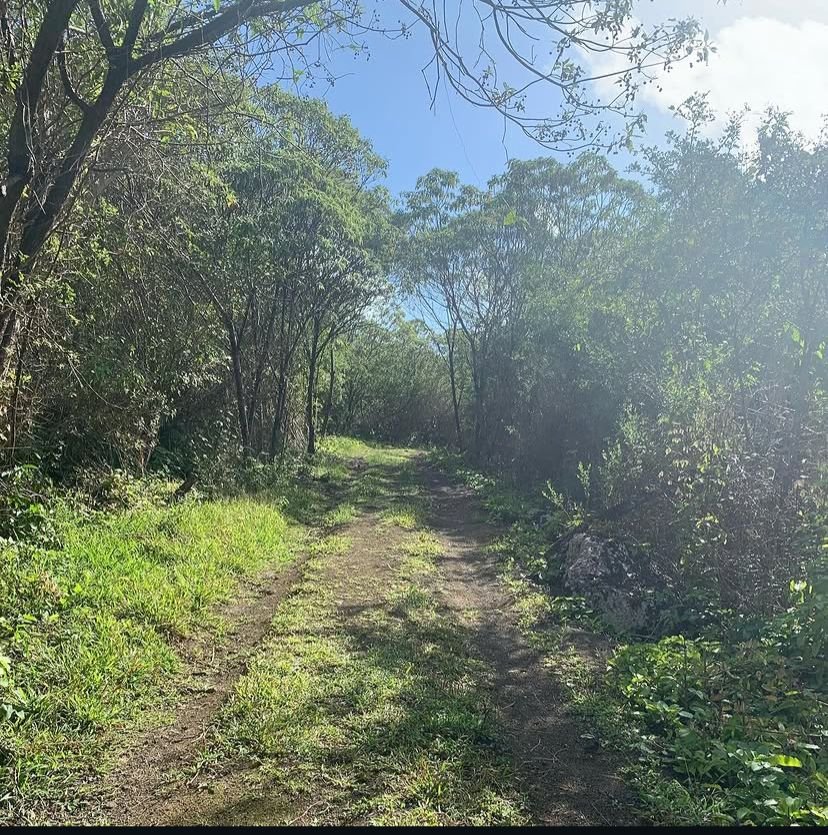
- The transportation will drop you off at the entrance where your hike will begin. Physically and technically, it is an easy hike, which does not mean that a little effort will not be required. If you have a good pace, 1 hour can be enough for completing the trail, enjoying the views, taking some photos, and going back to the entrance, where the Chiva or other transportation will pick you up.
- Technically, you could also go walking, but the road up to the highlands does not have other attractions to visit that justify walking hours under the sun and heat. Still, if you want to do it because you enjoy walking, it is possible!
Practical Tips
- Cost. The access to Asilo de la Paz is free of charge. At the moment I am writing this post, you will pay USD 0. You will only have to pay for the transportation, between USD 5 and USD 6 the round trip.
- If you are going on your own. Either go early in the morning or in the afternoon. The chivas that take you up to the highlands work on specific schedules. They go up in the morning, taking the land workers to the farms for their working day, and they also take workers down from the highlands after the working day. You will probably see chivas operating on different schedules, but these are booked by tour operators for their arranged tours.
- Sun, mosquitoes, and rain. Pack hydration, wear a hat/cap, and use long sleeves to prevent burning. Use insect repellent, since mosquitoes and other insects prone to stinging are present. Also bring a jacket in case it rain.
- Footwear. The trail in Asilo de la Paz consists of dirt, grass sections, and even muddy ones (depending on the rain status of previous hours/days). but it is in good condition, so standard sturdy sports/walking shoes will be enough for the hike. Avoid sandals or open-toed shoes for comfort while walking and for avoiding stings from insects.
- Guides and permits. It is not mandatory to hire a guide to visit this landmark. The trail is intuitive and has signs, so you will not get lost. However, if you would like the company of a tour and the live explanations of a guide, booking a tour will be a better option. Independently of whether you go with a guide or on your own, always follow Galapagos National Park rules, stay on marked and allowed trails, and do not touch, feed, or approach more than 2 meters close to animals.
- Take into consideration the time you will spend in Floreana. Remember that ferries that take you to and from Floreana only operate on certain days (currently, on Tuesdays and Thursdays). If you are visiting Floreana on your own, you will have to spend at least two nights on the Island (Tuesday’s and Wednesday’s nights), or many more nights if you arrive in Floreana on Thursday. Public transportation’s schedules do not accommodate to the ferries’ ones so you can make the return on the same day. That said, if your time in the Galapagos is limited and you still plan on visiting Asilo de la Paz in just one day, the best and most practical thing to do is booking a day tour to Floreana that includes this spot, departing from another island.
What to Expect on the Trail
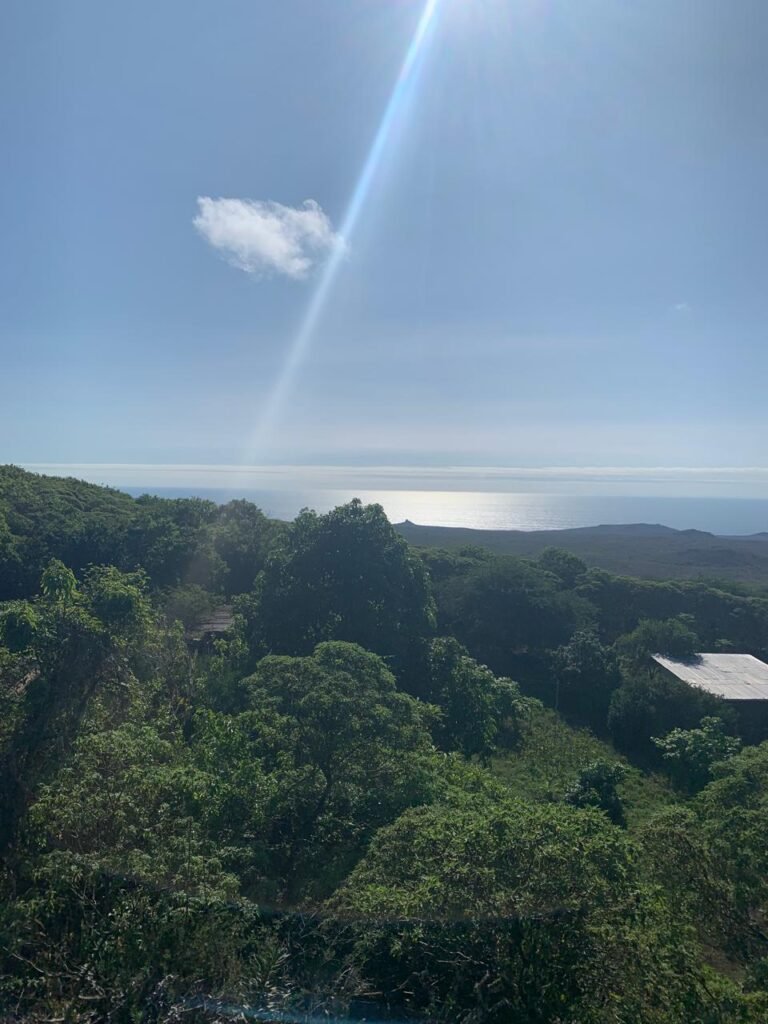
- The hike climbs through a Scalesia forest, an endemic highland ecosystem that shelters Darwin’s finches and other land birds.
- At the top you’ll find the freshwater spring and historic caves.
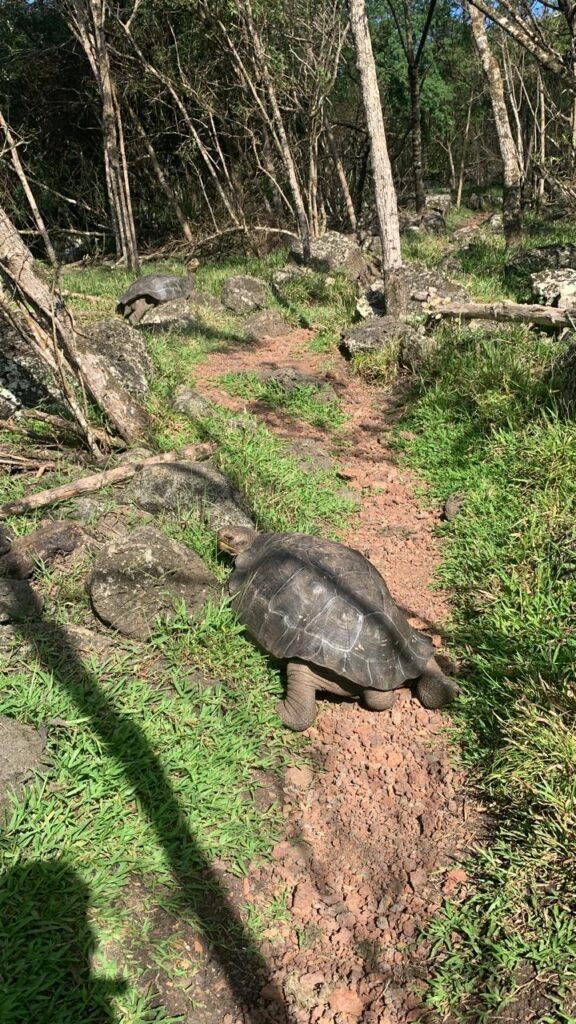
- Enclosures where giant tortoises roam (many are part of breeding and restoration efforts because Floreana’s native tortoise went extinct in the 19th century).
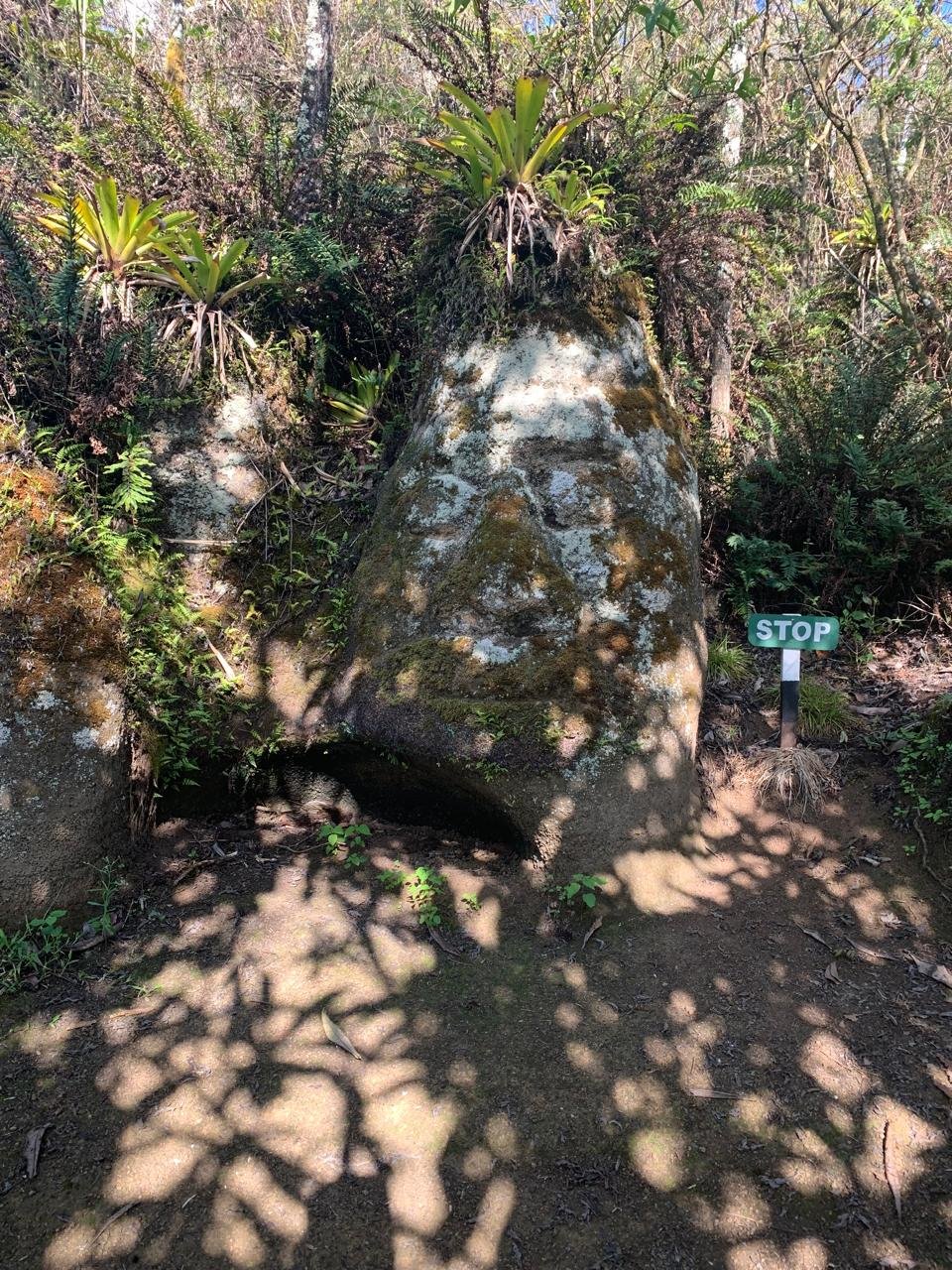
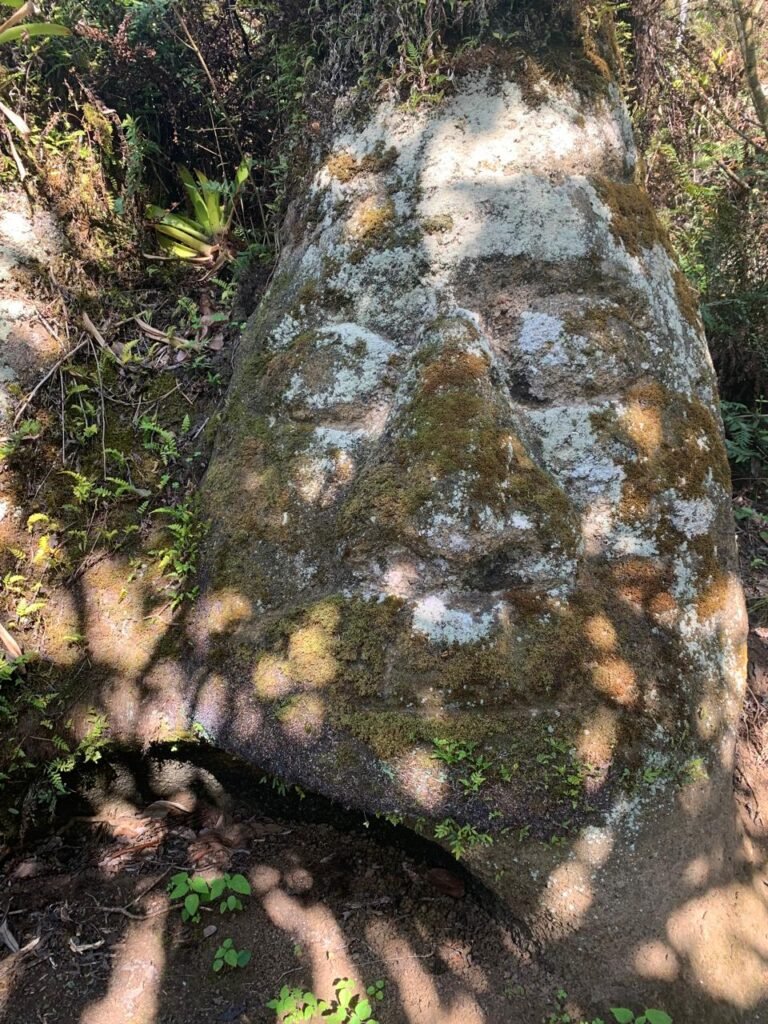
- You will see the famous stone face at the end of the trail. It was first thought it could have been the result of indigenous people presence, but it was later confirmed it was carved by one of the first German settlers in the island (Heinz Wittmer), to show his kids the art of carving.
- Panoramic coastal views.
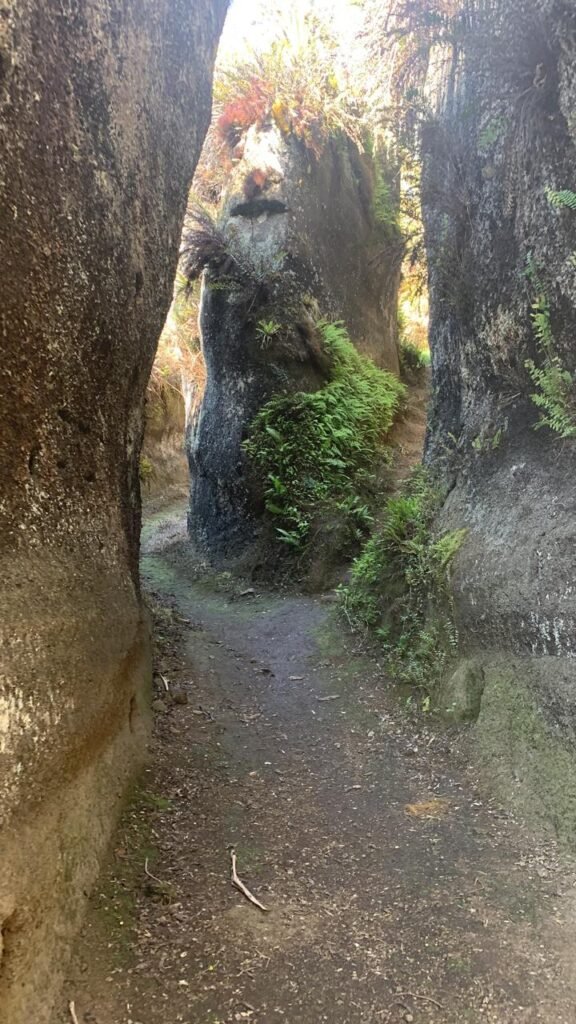
- Small walking labyrinths. You can walk through them without worries; they are not big enough to get you lost.
Is Asilo de la Paz worth it?
An absolute yes! Asilo the la Paz is arguably one of Floreana’s main landmarks, and one of the most relevant historic sites of all the Galapagos as well. It is a must for travelers who want history, nature, wildlife watching, hiking, and breathtaking viewpoints. It is a relatively affordable destination to include within your itinerary if you are traveling on your own with no tours, and spending at least two nights on the island.
Please share if you enjoyed this post. If you would like tips or support planning your next adventure to the Galapagos, contact us!
Leave a Reply